September 24, 2026
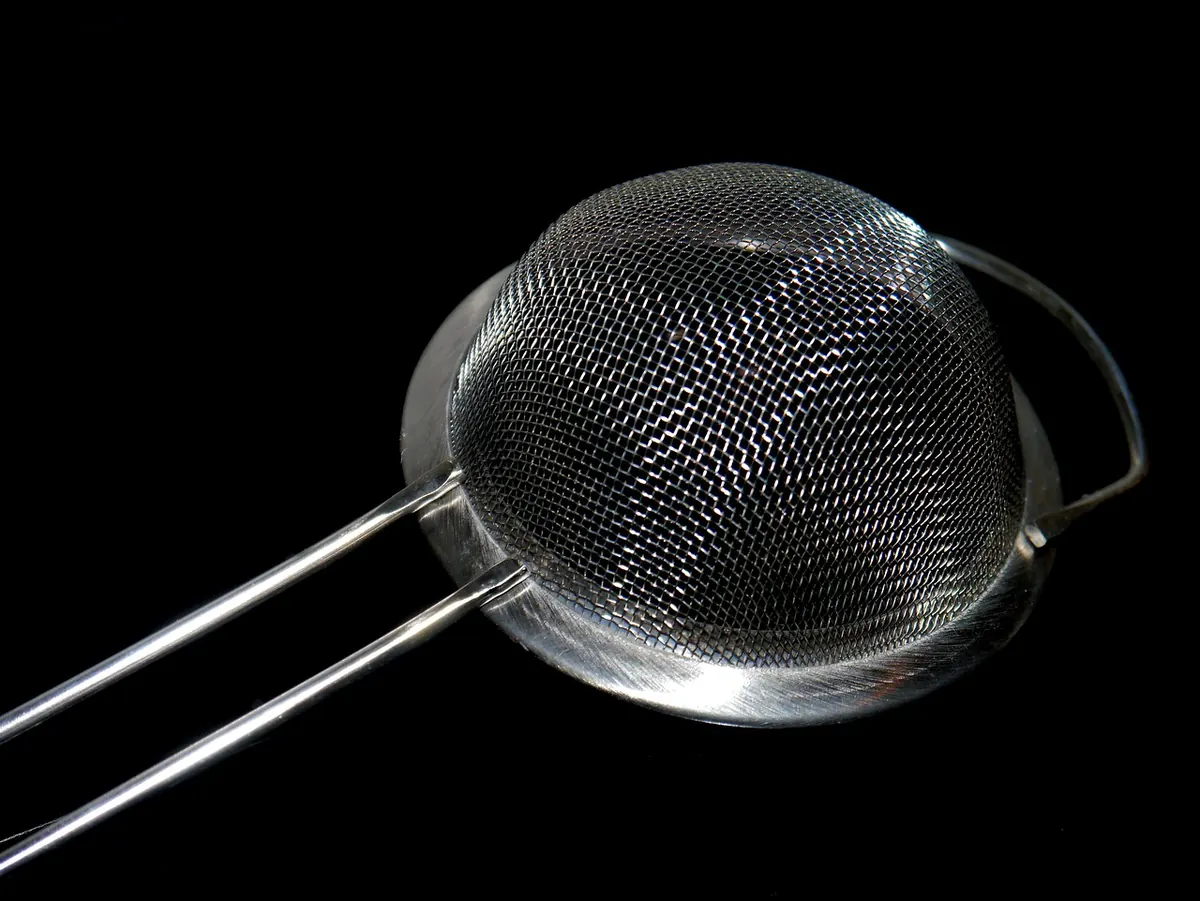
Loose leaf tea gives you more range than a bag: whole leaves, rolled oolong, silver needles, chamomile flowers. But the brewing tool decides how much of that range you actually taste. A cramped leaf steeps unevenly. A roomy leaf opens and releases flavor in layers. The three tools most of us consider — tea ball, tea infuser, French press — sit at different points on that spectrum. Each has a real job. None wins every time.
Start with what whole leaves need
Whole tea leaves are not a powder. They are curled, twisted, pressed, or needle-shaped, and they need water to move around them. When leaves have room, hot water reaches every surface and the leaf unfurls. Flavor comes out in stages: bright notes first, then body, then the deeper sweetness.
When leaves are packed tight, the outside brews fast while the inside stays dry. You get a cup that tastes thin at the start and bitter at the end. That is why leaf expansion matters more than most gear guides admit. Any tool can hold leaves. The question is whether it lets them open.
Tea ball: small footprint, real limits
A tea ball is the classic metal or mesh sphere that clamps shut on a hinge. It drops into any mug, travels in a pocket, and costs very little. For broken-leaf black tea, flavored blends, rooibos, or a quick cup at the office, it does the job. Small particles brew fast, and a ball keeps them out of your teeth.
For whole leaf, it struggles. A standard ball holds about a teaspoon of tea, and a teaspoon of large-leaf oolong or white tea can barely move. The mesh holes may also be too small for broad leaves to expand through, so they stay folded. You can improve the odds by filling only halfway and choosing a larger ball with a wide mesh, but you are still working against the design.
Cleanup is another small annoyance. Wet leaves cling to the hinge and inside seams. If you leave them there, the next cup tastes like the last one. Rinse immediately, open the ball, and shake the leaves into the bin or compost.
Where a tea ball earns its place
- Single mugs of broken-leaf or bag-style tea
- Travel, desks, hotel rooms, and small kitchens
- Blends with fine herbs, spices, or citrus peel
- Anyone who wants zero learning curve
Tea infuser: the flexible middle
“Tea infuser” covers a wide family: basket infusers that sit inside a mug, gravity infusers that rest on a cup or pitcher, and silicone or stainless models with fine mesh. The best of them share one quality: depth. A deep basket gives leaves room to rise and swell instead of stewing in a shallow puddle.
A basket infuser is the easiest upgrade from a tea ball. You scoop leaves in, set the basket in your mug, pour water over the leaves, and lift the basket out when the timer ends. Cleanup is a quick knock into the compost and a rinse. For delicate green tea, first-flush Darjeeling, or white tea, this is often the clearest way to taste the leaf.
Gravity infusers are handy for brewing a pot for two or three people. You add leaves, pour water, and later set the infuser on a stand or cup to drain. They give more room than a ball and stop the steep with less mess than a French press. The trade-off is more parts to rinse, and fine mesh can clog with tiny particles. A soft brush helps.
Getting the most from an infuser
- Use enough room: choose a basket that fills your mug without pressing leaves against the sides.
- Dose by weight when you can, or start with one teaspoon per 8 ounces and adjust.
- Pour water directly over the leaves, not down the side of the mug.
- Set a timer. Lift the basket out rather than leaving it to sit.
- Rinse the mesh right away; dried leaf dust is harder to remove later.
French press: full immersion, more cleanup
A French press is simply a cylinder, a plunger, and a mesh filter. For tea, that means leaves move freely in the water. Nothing confines them. Large oolong leaves, whole-leaf blacks, and herbal blends with big flowers or roots open fully, and the result is often a rounder, heavier cup.
The catch is control. A French press does not remove the leaves when you pour. If you press the plunger and walk away, the tea keeps steeping and turns bitter. You need to decant all the liquid into another pot or cup once the time is up. The standard coffee press filter also lets fine particles through, so the last sip can be cloudy. Tea-specific presses with a finer screen or a dual filter solve some of that.
Cleanup takes longer. You are rinsing the cylinder, the plunger, and the filter plates. If the press has brewed coffee before, old oils can flavor a delicate tea. Keep a separate press for tea, or clean the coffee one thoroughly with hot water and a little baking soda.
Use the plunger gently. Forcing it down bruises the leaves and pushes out bitterness. Press just enough to hold them below the water.
Compared: convenience, cleanup, flavor, and leaf room
- Convenience: A tea ball wins for speed and portability. A basket infuser is close behind. A French press asks for a timer and a second vessel.
- Cleanup: Basket infusers are the simplest. Tea balls are fiddly but small. French presses take the most rinsing and disassembly.
- Flavor clarity: Infusers shine with delicate teas. French presses give more body and depth. Tea balls flatten the difference between good leaf and average leaf.
- Leaf expansion: French press offers the most room, a deep infuser basket offers plenty, and a tea ball offers the least.
- Best for: Tea ball for travel and broken leaf; infuser for daily mugs and delicate tea; French press for whole-leaf oolong, black tea, and herbal blends.
How to choose without buying three gadgets
Start with the tea you actually drink. If your shelf is mostly green, white, and light oolong, buy a deep basket infuser and a mug that fits it. If you drink big-leaf oolong, Assam, or herbal blends and usually make two or more cups, a French press is the better spend. If you need tea at a desk or on a plane, a tea ball is fine — just save it for smaller-leaf teas.
Whichever you choose, give leaves room, use water just off the boil for most blacks and herbals, and cooler water for greens. Taste the tea at three minutes, then decide whether it needs more time. The tool matters, but it is not a rulebook.
The setup most tea drinkers settle on
After a few months, many people end up with two tools: a basket infuser for everyday mugs and a French press for leisurely pots. The tea ball stays in a bag for travel. That combination covers almost everything without turning your counter into a lab.
If you only buy one thing today, make it a deep stainless basket infuser that fits your favorite mug. It is the quiet workhorse: easy to rinse, kind to whole leaves, and simple enough that you will actually use it every morning. Add the French press when you want a richer cup or a bigger batch. Keep the tea ball for the road. Your leaves will tell you the difference in the first sip.
Photo: jhusemannde / Pixabay