September 28, 2026
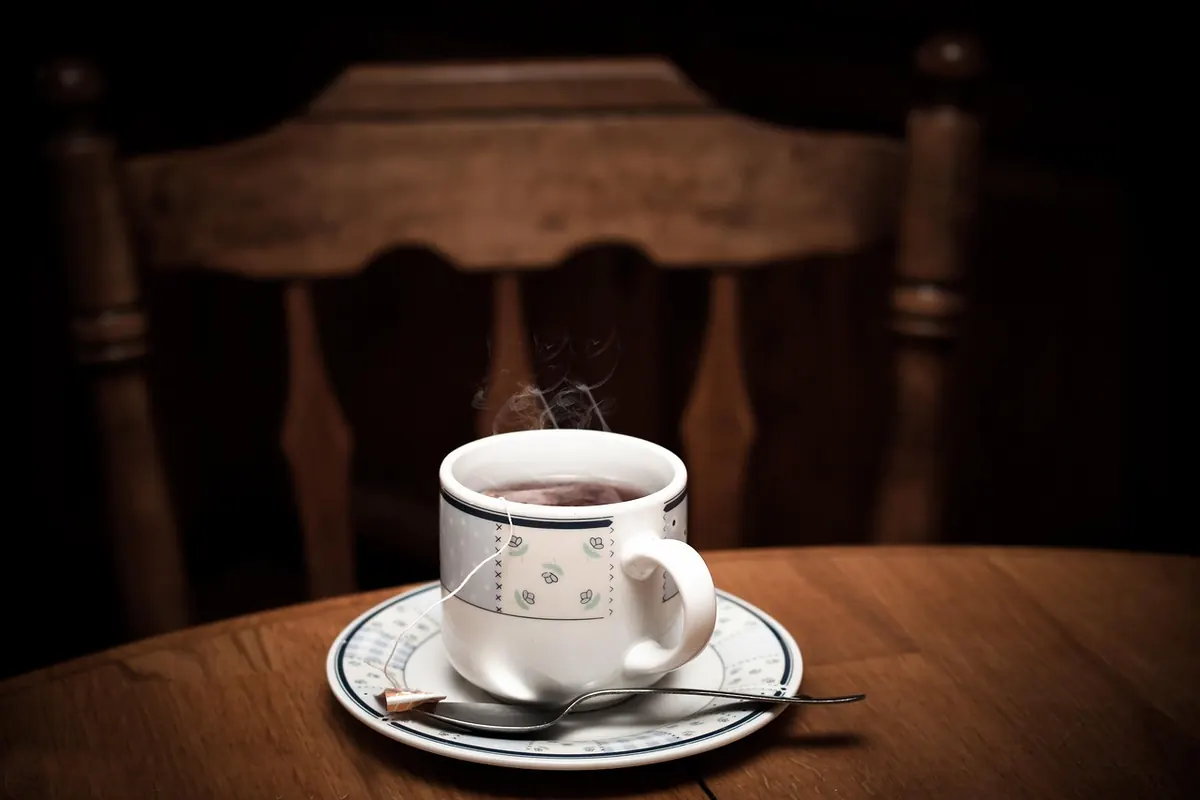
Black tea has a reputation for being forgiving, and mostly it earns it. A sturdy Assam will still give you something drinkable after a careless pour. But forgiving is not the same as foolproof. Most cups that turn out bitter, thin, or faintly metallic aren't the tea's fault — they come from one or two small habits, usually picked up from a kettle and a mug. Fixing them takes no new equipment and almost no extra time. Here are the seven mistakes worth correcting first.
1. Using Fully Boiled Water for Every Black Tea
"Black tea needs boiling water" is the rule most of us learned first, and it is only half true. Water straight off the boil suits robust broken-leaf teas and breakfast blends. It is rough on anything delicate. Once the temperature climbs, the floral and fruity top notes cook off before they ever reach your cup. Darjeeling first flush is the classic casualty: brewed at a rolling boil it tastes astringent and hollow, brewed just below it tastes of muscatel and green apple.
Use this as a starting range:
- Assam, Ceylon, English and Irish breakfast blends: 95–100°C, just off a rolling boil
- Keemun, Yunnan Dian Hong, Golden Monkey: 88–93°C
- Darjeeling first flush, Nepali and other high-grown blacks: 85–90°C
- Earl Grey and flavoured blends: 90–95°C, so the citrus oil doesn't turn sharp
No thermometer? Pour the water into your pot or mug first and let it stand for a minute or two before adding leaves. You'll land near 90°C without thinking about it.
2. Steeping Until You Remember It
Black tea keeps giving flavour the whole time it sits in water, and past a point that flavour stops being the good kind. Tannins keep extracting, so a cup left for eight minutes tastes drying and harsh even if the leaf was excellent.
Three to five minutes covers most black teas. Broken leaf and teabags sit at the fast end; whole leaf at the slower end. Set a timer the first few times you brew a new tea, and taste at three minutes rather than guessing. If it comes out too strong, pull the leaves anyway and top up with hot water. Steeping longer in the hope of "more flavour" only buys you more bitterness.
3. Eyeballing the Leaf
Two people can both add "a teaspoon" and end up with very different cups, especially with long wiry leaves that barely fit on the spoon. As a baseline, use roughly 2–3 grams of leaf per 200–250ml of water — about one heaped teaspoon for broken leaf, closer to two for large whole leaf.
If your tea tastes weak, add leaf rather than time. If it tastes aggressive, reduce the leaf or shorten the steep. Weigh your usual spoonful once on a kitchen scale, note what it comes to, and you can leave the scale in the drawer afterwards.
4. Ignoring the Water Itself
Tea is mostly water, so off-tasting water makes off-tasting tea. Heavily chlorinated tap water flattens aroma, and very hard water leaves a scummy film and a dull, chalky finish.
Filtered water is the simplest upgrade. Two more habits help: draw fresh water each time rather than reheating what's been sitting in the kettle, since repeated boiling drives off the oxygen that makes a cup taste lively; and don't top up a half-full kettle from earlier in the day. If your tea suddenly tastes dull when nothing else changed, the water is the first suspect.
5. Storing Tea Where It Goes Stale
Black tea isn't fragile, but it is absorbent. Left in a paper bag in a warm cupboard, it picks up whatever is nearby and loses its aroma within a few months.
Keep it in an airtight tin, out of direct light, somewhere cool and away from the stove. Give strong-smelling neighbours — coffee, spices, dried herbs — their own shelf. Skip the fridge for tea you drink daily: it's damp in there, and the leaves pick up odours every time you open the door. Buy amounts you'll finish in two to three months rather than a year's supply on offer, and label the tin with the date you opened it.
6. Brewing in a Cold Pot
A cold teapot or thick mug steals heat from the water the moment it hits, which can drop your carefully judged temperature by several degrees before the leaves even open. Thick ceramic is the worst offender.
Rinse the pot with hot tap water, or swirl a little boiling water around it and tip it out, then add your leaves and water. It takes fifteen seconds and gives you a noticeably more consistent cup, especially with small pots and short steeps.
7. Cramping the Leaves — and Soapy Equipment
Whole leaves need room to unfurl. Packed tightly into a tiny ball infuser, they release flavour unevenly: the outside brews to bitterness while the centre stays under-extracted. Use a basket strainer, a roomy pot, or brew loose in a mug and strain as you pour.
Then rinse your equipment properly. Detergent residue and dishwasher film leave a soapy edge that no tea can hide. Hot water and a soft brush are enough for teapots and strainers; leave them to air-dry fully before the next round.
A Five-Minute Reset
If you'd rather not overhaul everything at once, change one variable at a time with a tea you know well. Pick the cup that has been disappointing you and work through this:
- Weigh or carefully measure your leaf, and note the amount.
- Heat fresh filtered water and let it cool slightly — aim lower than you usually go.
- Time the steep, starting at three minutes.
- Taste before adding milk or sugar, then adjust one thing and brew again.
Read the result: bitter or drying means less time or cooler water. Weak means more leaf. Dull and lifeless means fresher water or older tea. That's the whole method — measure, taste, adjust once. Do it twice and you'll know more about your own cupboard than any label can tell you.
Photo: 822640 / Pixabay