September 29, 2026
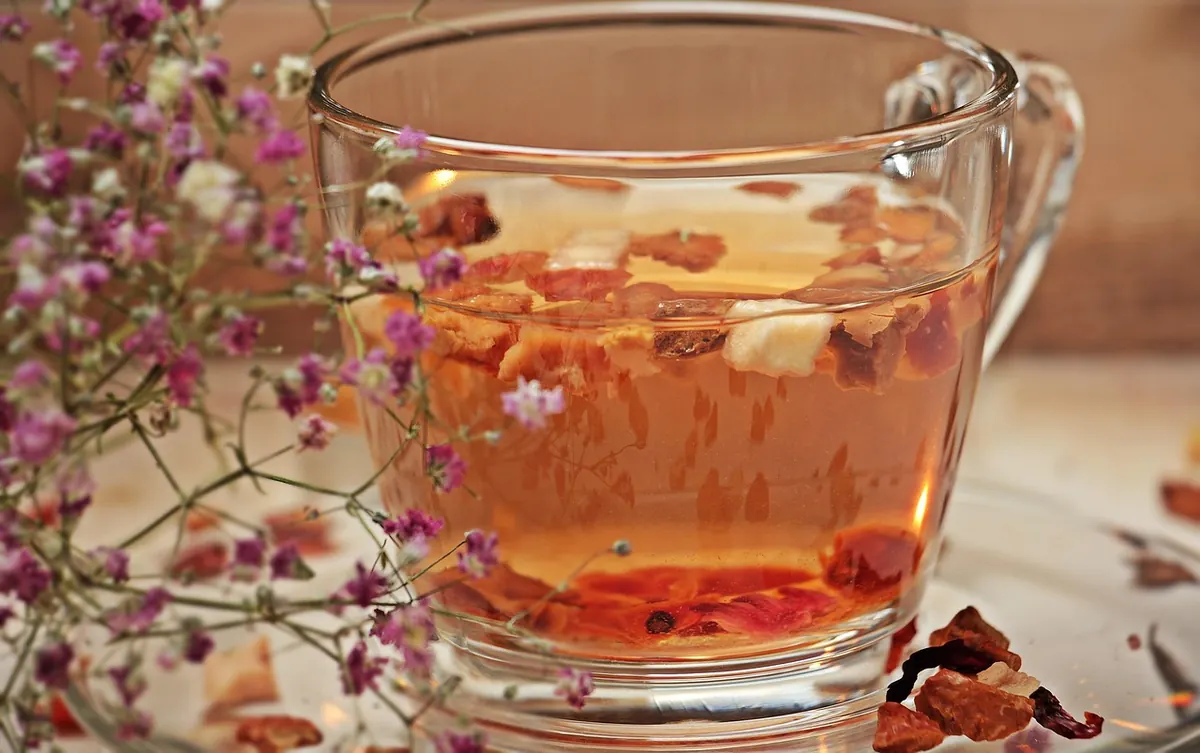
Somewhere between the first frost warning and the last tomato on the vine, what you want from a cup of tea changes. The tall glass of iced green tea stops making sense. You want something that warms both hands through the mug and tastes like it belongs to a grey afternoon.
Fall is the easiest season to drink tea well, because the teas that suit the weather are also the most forgiving. They take milk. They survive a long steep. Most of them keep for months. Here's what to reach for as the temperature drops.
What Fall Asks of a Tea
Summer teas tend to be bright: fresh greens, first-flush oolongs, white peonies with a hay-like sweetness. Autumn cravings run darker and rounder — toasted grain, cocoa, dried fruit, cinnamon, woodsmoke.
That shift points to three broad families: spiced teas built on warming spices, roasted teas that taste like toast and nuts, and smoky teas dried over pine or blended with smoked leaves. Add a fourth unofficial category — malty, full-bodied blacks and dark pu'ers — and you have a whole shelf to work with.
None of this means abandoning green tea. It means shifting the ratio: more oxidized, more roasted, more spice.
Spiced Teas: Chai and Its Cousins
Masala chai is the obvious place to start, and the homemade version is worth the ten minutes. A chai blend needs a strong, brisk black base — Assam is traditional — plus whole spices rather than ground ones, which turn gritty and bitter when simmered.
A stovetop method that works
Add a mug of water and a mug of milk to a saucepan with four cracked green cardamom pods, a short cinnamon stick, three cloves, a slice of fresh ginger, and a few black peppercorns. Bring to a gentle simmer for five minutes, then add two teaspoons of Assam and simmer two minutes more. Turn off the heat, cover, and let it sit for a minute before straining. Sugar goes in while it's hot, so it dissolves properly.
If you want the flavor without the fuss, a chai-spiced black blend or a spiced rooibos works well for evening cups, when a true chai's caffeine might keep you up.
Roasted Teas: Hojicha, Roasted Oolong, Genmaicha
Roasting does to tea what toasting does to bread: it trades brightness for depth. Hojicha is the gentlest entry point — a Japanese green tea roasted until the leaves turn reddish-brown. The cup is nutty, faintly sweet, and almost coffee-adjacent in aroma. It's also low in caffeine, which makes it one of the best after-dinner teas of the season.
Brew it cooler than you might expect: about 80°C, one teaspoon per cup, and just 30 to 60 seconds. Boiling water flattens it into something dull.
Roasted oolongs — the darker, charcoal-baked styles — sit between hojicha and black tea. Expect cocoa, dried stone fruit, and a long, warm finish. Genmaicha, green tea with toasted brown rice, is a good bridge if you're not ready to leave green tea behind entirely; the rice brings a popcorn sweetness that reads as autumnal.
Smoky Teas: Lapsang Souchong and Russian Caravan
Smoke is the most divisive flavor in tea. Lapsang Souchong, the classic, is dried over smoldering pine wood, and a strong cup tastes like a campfire that has just been put out. Russian Caravan blends smoked leaves with malty black tea, which softens the edges into something closer to a fireplace than a forest fire.
A few rules help. Use less leaf than usual — roughly a teaspoon per 250ml — and taste as you go. Water just off the boil, three minutes, then strain; smoked teas turn harsh quickly. If a cup is too assertive, blend it half and half with an Assam or a Yunnan black. Smoked tea also pairs unusually well with dark chocolate, sharp cheddar, or anything off a grill.
Malty Blacks and Dark Pu'er
Autumn is the season for the big, malty blacks that got pushed aside in July. Assam drinks like malt and brown sugar, and it's the one tea that genuinely improves with a splash of milk. Yunnan blacks — look for golden tips — bring honey, cocoa, and a smooth, almost syrupy body.
Shou pu'er, the dark, fermented tea from Yunnan, is worth trying if you like the idea of a cup that tastes of wet earth and old books in the best way. Rinse the leaves once with boiling water, discard that water, then steep at a full boil. A good shou holds up to many infusions, so a small pot can last an afternoon.
Brewing and Serving for Cold Weather
The mechanics matter more in fall, because the teas are heavier and the mistakes are easier to taste.
- Preheat everything. A cold mug pulls heat out of the tea in seconds. Fill it with hot water while the tea steeps, then dump and pour.
- Match the temperature. Boiling water for blacks, roasted oolongs, pu'er, and chai. Around 80°C for hojicha. Without a thermometer, boil the kettle and let it sit for a few minutes.
- Strain before you travel. A thermos of tea with the leaves still in it goes bitter within an hour. Brew, strain, then fill. Preheating the thermos with boiling water keeps it hot noticeably longer.
- Add milk and sweetener late. Steep first, then pour. Milk sitting in the pot through a long steep mutes the spice and tastes flat.
- Make a latte. Brew 250ml of strong chai or Assam, warm and froth 100ml of whole or oat milk, combine, and dust with cinnamon. No equipment needed beyond a whisk and a steady hand.
- Watch the caffeine. If caffeine keeps you awake, save hojicha, roasted barley, and rooibos for the evening. If you're pregnant, on medication, or managing a health condition, check with a doctor or pharmacist about what suits you.
Build an Autumn Rotation
You don't need fifteen tins. Four is enough for a season: one spiced blend, one roasted tea, one smoky tea, one malty black. Keep them in airtight containers away from light and, more importantly, away from the spice rack. Tea absorbs whatever sits in the air around it, and cardamom-scented lapsang is not a happy accident.
Buy in small amounts and replenish as you drink. A fall day has its own rhythm: Assam with breakfast, a roasted oolong around three in the afternoon, hojicha or pu'er after dinner. Start with whichever one sounds best right now, and let the season tell you what comes next.
Photo: NoName_13 / Pixabay